How to Maintain Dental Bonding for Long-Lasting Results

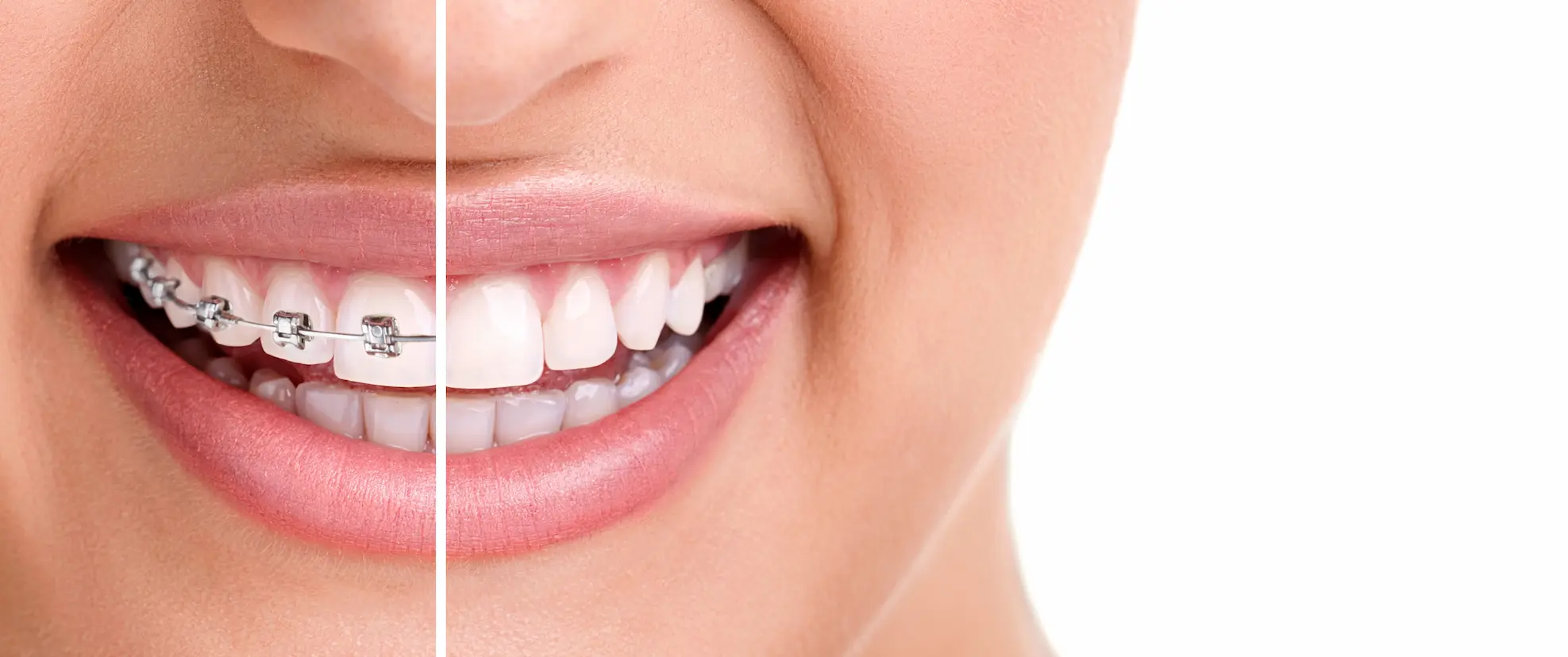

Dental bonding can be one of the most practical treatments in cosmetic dentistry. It is conservative, relatively quick, and often far more affordable than veneers or crowns. When it is done well, the result can be subtle enough that even close friends do not notice what changed, only that the smile looks cleaner, more balanced, or less worn.
What many patients do not realize is that bonding is not a one-time event you can forget about. Composite resin is durable, but it is not indestructible. It can stain, chip, dull, and wear over time, especially when daily habits work against it. The people who get the best long-term results are rarely the ones with the most expensive treatment plans. They are usually the ones who understand how bonded teeth behave and make a few smart adjustments after the appointment.
That matters because dental bonding often sits in highly visible areas. A small edge repair on a front tooth may seem minor in the dental chair, but once that tooth is part of your smile, every tiny change in texture or color can become noticeable. Maintenance is what keeps that repair blending in month after month rather than standing out six months later.
What dental bonding is actually made to do
Dental bonding uses a tooth-colored composite resin to repair chips, close small gaps, reshape edges, mask discoloration, or protect exposed root surfaces. The material is sculpted directly on the tooth, hardened with a curing light, then polished to match the surrounding enamel. In the right case, it is a very elegant solution.
Still, bonding has limits. Composite resin is softer than natural enamel and generally less stain-resistant than porcelain. That does not mean it is fragile or poor quality. It means it performs best when used thoughtfully. A tiny chip repair on a front tooth can last years. A large bonded buildup on someone who clenches hard, chews ice, and drinks coffee all day may need maintenance much sooner.
That distinction is where expectations often go wrong. Patients hear that bonding can last several years, which is true, but lifespan depends heavily on location, bite forces, oral hygiene, diet, and whether the dentist was correcting a small cosmetic issue or rebuilding a more compromised tooth. I have seen simple anterior bonding look excellent after seven years, and I have also seen edge bonding on a grinder need touch-ups within a year. Both outcomes were reasonable given the circumstances.
The first 48 hours matter more than most people think
Freshly polished bonding is at its most vulnerable to surface staining right after placement. Many dentists advise patients to be cautious with deeply pigmented foods and drinks for the first day or two. That advice is not just a formality. Composite can absorb stains more readily than people expect, especially if the restoration sits on the front teeth.
Coffee, red wine, strong tea, soy sauce, tomato sauce, berries, turmeric-heavy dishes, and tobacco are the usual offenders. If you cannot avoid all of them, rinsing with water soon after helps. Using a straw for cold beverages can reduce direct contact with the front surfaces, although it is not a perfect defense.
This early period is also not the time to test the strength of your new bonding. Biting directly into crusty bread, hard pizza edges, fingernails, or a fork habit can create chips surprisingly fast, especially on incisal edge repairs. A good rule is simple: treat bonded front teeth like restored teeth, not like tools.
Daily care that protects both shine and shape
The best maintenance routine for dental bonding is not complicated, but consistency matters. Patients often assume they need a special kit or a whitening-heavy regimen. In reality, the basics do most of the work.
- Brush twice daily with a soft-bristled toothbrush and a non-abrasive toothpaste.
- Floss every day, especially around the margins where bonding meets natural tooth.
- Rinse with water after staining drinks if brushing is not possible.
- Avoid using teeth to open packages, tear tape, or crack shells.
- Wear a night guard if you clench or grind.
Each of those habits solves a different problem. Soft bristles and gentle toothpaste preserve the polish. Flossing removes plaque that can collect at the margins and make the restoration look darker or rougher. Rinsing after coffee or tea reduces pigment contact time. Avoiding non-food use prevents chips that have nothing to do with material quality and everything to do with mechanics. Night guards deserve special emphasis because many failed cosmetic restorations are not caused by food, but by unrecognized nighttime grinding.
One detail that gets overlooked is toothpaste choice. Whitening toothpastes often rely on abrasives to scrub surface stains away. On natural enamel, moderate abrasiveness may be acceptable. On composite bonding, repeated abrasion can dull the polished finish. Once that shine is lost, the surface tends to attract more stain and plaque, which creates a frustrating cycle. Patients then brush harder to remove the discoloration, which makes the roughness worse.
A bland-sounding toothpaste labeled for sensitivity or general cavity protection is often kinder to bonding than a dramatic whitening formula. If a patient is very prone to stain but wants to protect cosmetic work, I usually suggest professional maintenance rather than aggressive home scrubbing.
Why flossing matters even when the bonding is on the front edge
A patient will sometimes tell me, "The bonding is only on the corner, so I do not need to worry much about flossing around it." That is exactly backward. The interface between composite and tooth needs to stay clean if you want the restoration to remain invisible. Plaque and stain settle into rough or neglected margins first. Even when the bonded portion is nowhere near the contact point, gum inflammation and plaque buildup nearby can change how the whole area looks.
Healthy gums frame the restoration. Puffy or bleeding gums make even beautiful dental work look compromised. Bonding cannot outshine poor tissue health.
Technique matters, too. Snapping floss harshly between teeth can stress delicate contact areas in certain bonded cases, especially when multiple front teeth were reshaped or small gaps were closed. Sliding the floss gently through and curving it around the tooth is safer and more effective.
Staining is the most common complaint, and not all stains mean replacement
Dental bonding does stain more easily than porcelain, but that does not automatically mean it failed. Surface discoloration often responds well to professional polishing. If the stain has penetrated more deeply or the resin has aged and changed color relative to neighboring teeth, then a touch-up or replacement may make more sense.
Coffee is usually the first thing patients mention, but the real issue is cumulative exposure. One morning cup followed by water is very different from sipping coffee over four hours every day. The same is true for iced tea, cola, sports drinks with dyes, and tobacco. Frequency beats intensity when it comes to visible staining.
I remember one patient with bonding on the upper central incisors who insisted she "barely drank coffee." After a little digging, that meant one large insulated tumbler that she refilled twice during the workday and finished on the commute home. Because she sipped continuously, the teeth were being bathed in pigment for eight or nine hours. Her bonding was intact, but the polish had dulled and the staining was obvious at the margins. Better timing, a straw for iced drinks, and routine polishing made a dramatic difference without replacing the work.
Whitening products create another point of confusion. Over-the-counter whitening strips and gels can lighten natural teeth, but they do not whiten composite resin in the same way. That means your surrounding teeth may brighten while the bonded area stays the same shade, making the bonding more noticeable. If you are considering whitening after getting bonding, talk to your dentist first. Sometimes the best sequence is to whiten natural teeth first, then replace or adjust the bonding to match.
Biting habits can shorten the life of bonding faster than brushing mistakes
If I had to pick one reason otherwise good bonding fails early, it would not be poor toothpaste choice. It would be force. Composite handles normal chewing well. It struggles when front teeth become pliers.
Incisal edge bonding is especially vulnerable. Biting directly into hard foods with the front teeth puts concentrated stress on the exact area that was repaired. Apples, crusty baguettes, hard bagels, tough jerky, and ice can all be problematic, depending on the size and location of the bonding. This does not mean you need a restrictive diet. It means using judgment. Cut hard foods into pieces and chew with the back teeth when possible.
Grinding and clenching deserve their own category because patients often do not know they do it. Signs include morning jaw soreness, flattened teeth, headaches near the temples, or a partner who hears grinding at night. If your bonding keeps chipping, your bite may be asking too much of it. A custom night guard is often less about comfort than about preserving dental work.
Daytime clenching is common, too, especially in people who work at a computer for long hours. Their teeth may not grind audibly, but they keep them pressed together for much of the day. That constant load can fatigue bonding over time. Simple awareness helps. Teeth should usually be apart at rest, with the lips closed and tongue relaxed.
Professional maintenance is not optional if you want cosmetic work to stay cosmetic
Regular dental visits are where small problems stay small. Bonding can often be repolished, smoothed, or minimally repaired before a patient notices major damage. Skip checkups for a few years, and the issue may become a more obvious color mismatch, edge fracture, or decay at the margin.
A hygienist should also know where your bonded areas are. Most do, but it is worth mentioning if you have extensive cosmetic bonding. Certain polishing pastes and instruments are more appropriate than others. The goal is to clean thoroughly without roughening the composite surface.
Professional polishing can revive bonding that looks tired but is still structurally sound. Patients are often surprised by how much better their restorations look after a careful polish. It is one of the more satisfying maintenance appointments in cosmetic dentistry because a small refinement can restore the original blend and luster.
When a repair makes sense, and when replacement is smarter
One of the advantages of dental bonding is repairability. Porcelain that chips often needs more involved correction. Composite can frequently be added to, reshaped, and repolished in a conservative way. That said, not every aging restoration should be patched indefinitely.
A localized chip on otherwise good bonding is often a great repair case. A slightly rough edge or minor stain pickup may only need finishing and polishing. But if the restoration has multiple fractures, a poor color match, recurrent decay, or repeated failure due to bite stress, full replacement may be the better long-term call.
Judgment matters here. I have seen front-tooth bonding that was "repaired" so many times that it became bulky, opaque, and inconsistent from tooth to tooth. At some point, starting fresh produces a cleaner result than layering fixes on top of old work. A good dentist will tell you when maintenance is preserving the original investment and when it is only delaying a more sensible redo.
Watch for these signs between appointments
Most bonding problems announce themselves early, but patients often ignore the first clues because there is no pain. Cosmetic changes tend to happen gradually.
- A once-smooth area starts catching on floss or the tongue.
- The bonded tooth looks duller or darker than neighboring teeth.
- A corner appears shorter, flatter, or slightly jagged.
- You notice sensitivity around a margin that was not there before.
- The restoration feels fine, but keeps picking up stain no matter how well you clean it.
None of those signs guarantee urgent trouble, but they do justify a dental visit. Roughness can mean a tiny chip. Persistent discoloration can signal surface breakdown or margin leakage. Sensitivity can come from recession, a compromised edge, or unrelated decay nearby. The earlier it is assessed, the simpler the fix tends to be.
Food and drink choices without turning life into a rules sheet
People sometimes leave bonding appointments thinking they need to live on yogurt and pasta forever. That is not realistic, and it is not necessary. Maintenance works better when it fits real life.
Think in terms of patterns rather than forbidden items. If you love coffee, drink it in a shorter sitting rather than nursing it all morning. If red wine is part of your weekends, rinse with water afterward instead of letting residue sit on the teeth. If you eat https://simongwlp441.lumenforgex.com/posts/who-is-a-good-candidate-for-dental-bonding crunchy foods, be mindful about where you bite from. If you chew pens, stop now, because that habit quietly destroys more edge bonding than many foods do.
Acid matters, too. Composite itself is not dissolved by acidic drinks the way enamel can demineralize, but acidic environments can affect surrounding tooth structure, contribute to margin wear, and increase staining by roughening surfaces over time. Sodas, citrus waters, and sports drinks become more harmful when sipped constantly.
The role of bite design and why dentist skill affects maintenance
Not all bonding ages the same, and that is not only about patient habits. The design of the restoration and the way it fits the bite are major factors. Bonding placed in heavy contact or with inadequate polish is more likely to chip, stain, or feel rough early. Material selection and finishing technique also matter.
This is why the cheapest quick fix is not always the best bargain. If bonding is overbuilt, undercontoured, or poorly integrated with your bite, no amount of careful brushing will fully compensate. Patients often blame themselves for failures that were partly structural from day one.
An experienced clinician pays close attention to where the teeth touch in rest, speech, and function. A front tooth may look beautiful when the mouth is open and still be set up to fail if it takes too much force during chewing or grinding. That is one reason why maintenance appointments are useful. Sometimes the best preventive step is a tiny bite adjustment that takes two minutes and adds years to the restoration.
Special cases that need extra care
Bonding on children and teenagers can be especially rewarding after small chips or developmental defects, but younger patients are also hard on restorations. Sports, inconsistent hygiene, and frequent snacking all raise the maintenance stakes. A mouthguard for contact sports is essential, not optional.
Bonding used to close small gaps between front teeth can last well, but floss technique and stain control become even more important because the added material often wraps slightly around visible surfaces near the contact. Tiny dark lines from plaque accumulation can undermine the whole cosmetic effect.
Root surface bonding, often used to cover exposed areas from gum recession, has a different wear pattern than edge bonding. It may face less impact stress, but more brushing abrasion. People who scrub aggressively with hard bristles can wear those restorations down surprisingly fast. In those cases, brushing style matters as much as toothpaste choice.
If you want the result to last, think in years, not days
The most successful dental bonding patients are not usually the most obsessive. They are simply attentive. They notice when a texture changes, they keep recall appointments, they do not abuse their front teeth, and they understand that composite is a serviceable material with a lifespan, not a permanent coating immune to wear.
That mindset makes a practical difference. A patient who treats bonding as maintainable cosmetic dentistry often gets years of good function and appearance. A patient who treats it as permanent enamel replacement tends to return sooner with chips, stains, or disappointment.
Dental bonding remains one of the most useful tools in modern cosmetic care because it can be beautiful, conservative, and repairable. Long-lasting results come from a partnership between the material, the dentist, and the patient’s habits. Protect the polish, respect the bite, keep the margins clean, and address small changes early. Done that way, bonding can keep doing its quiet job for a long time, which is exactly what most people want from it.
Toothworks of Bakersfield, Dentist and Orthodontist
Address: 1030 H St #1, Bakersfield, CA 93304
Phone number: +16613239421
FAQ About Dental Bonding
How long does dental bonding last?
Dental bonding typically lasts between 3 and 10 years (averaging about 5 to 8 years) before it needs a touch-up or replacement. Its lifespan depends heavily on your daily habits, where the bonding is placed in your mouth, and how well you care for your teeth.
How expensive is bonding a tooth?
Dental bonding typically costs between $100 and $600 per tooth, with a national average of about $431 per tooth.
What are the downsides of dental bonding?
Dental bonding has several drawbacks, including lower durability, a shorter lifespan, and a tendency to stain compared to alternatives like porcelain veneers.